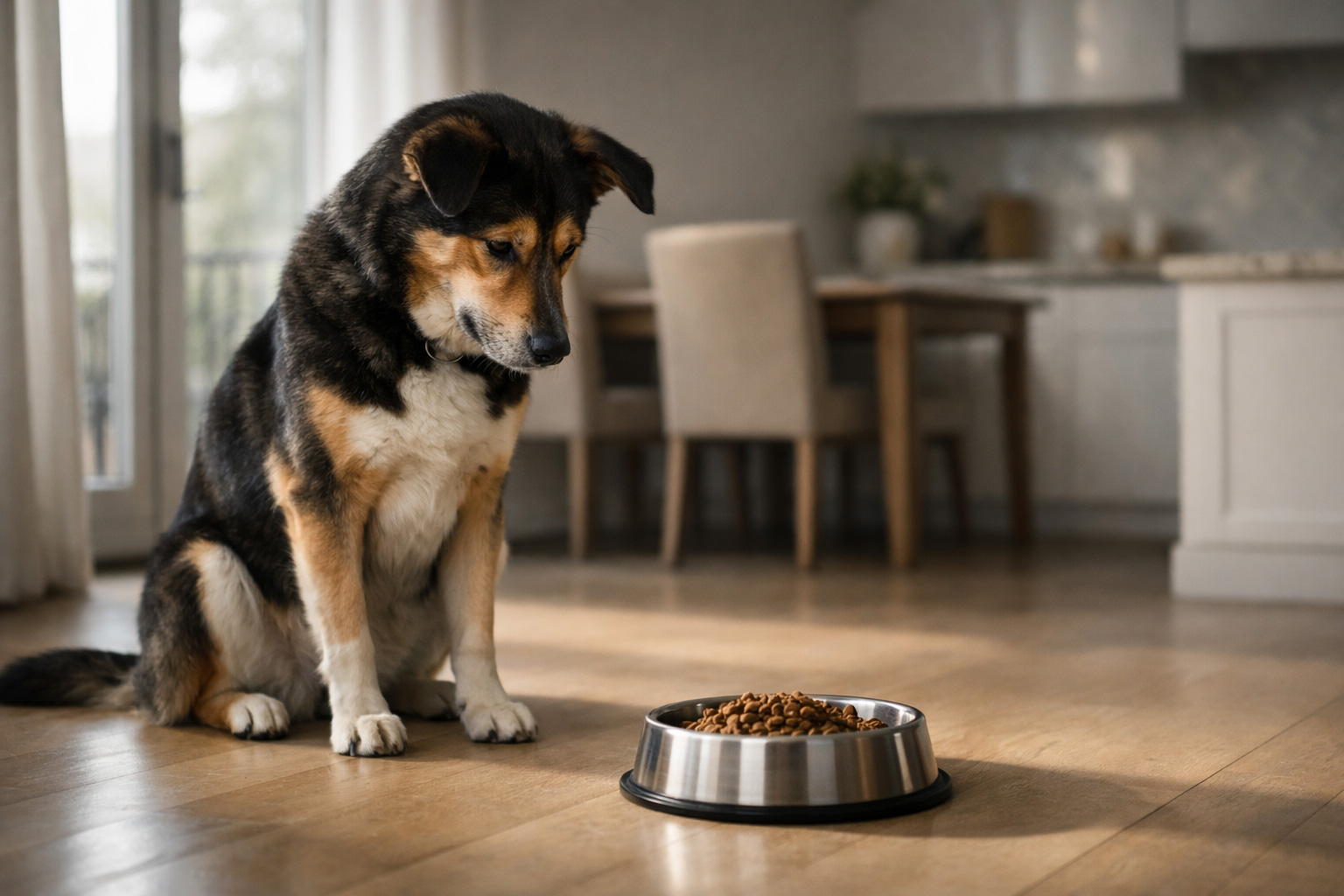
How Often Should I Feed My Dog? (Puppy to Adult Feeding Guide)
If You’re Feeding Your Dog Wrong, You Might Not Notice It… At First
Most dog owners don’t realize something is off.
They fill the bowl.
The dog eats.
Everything seems fine.
But feeding frequency is not just about how much your dog eats.
It affects:
- digestion
- energy levels
- behavior
- weight
- long-term health
And small mistakes, feeding too often, too little, or at the wrong time, can slowly turn into bigger problems.
So the real question is not just:
“Am I feeding my dog?”
It’s:
“Am I feeding my dog the right way?”
Quick Answer
Most adult dogs should be fed twice a day.
But the real answer depends on:
- age
- size
- activity level
- metabolism
- health condition
👉 Puppies need more frequent meals.
👉 Some small or high-energy dogs may benefit from 2–3 meals.
👉 Seniors may need adjusted routines.
According to the American Kennel Club, feeding schedules should be consistent and tailored to the dog’s life stage.

Why Feeding Frequency Matters More Than You Think
Feeding your dog is not just a routine.
It’s a signal.
Dogs thrive on patterns.
When feeding is inconsistent, it can lead to:
- digestive stress
- begging behavior
- overeating
- unstable energy
- weight gain or loss
According to WSAVA guidelines, consistent feeding routines help regulate digestion and metabolism in dogs.
How Often Should You Feed Your Dog? (By Age)
🐾 Puppies (0–6 months)
Puppies grow fast, and their bodies need constant energy.
👉 Feed: 3 to 4 times per day
Why?
- small stomach
- high energy demand
- rapid growth
Skipping meals or feeding too little can affect development.
For most dogs:
Feed: 2 times per day
This helps:
- stabilize energy
- support digestion
- prevent overeating
Choosing the right food also matters. If you have a smaller breed, check this guide on best dog food for small breeds to match feeding with proper nutrition.
Adult Dogs (6 months – 7 years)
For most dogs:
👉 Feed: 2 times per day
This helps:
- stabilize energy
- support digestion
- prevent overeating
Some dogs may do well with once-daily feeding, but twice daily is generally safer and more balanced.
Senior Dogs (7+ years)
👉 Feed: 2 smaller meals per day
Older dogs may have:
- slower metabolism
- sensitive digestion
- reduced activity
Smaller, consistent meals are easier to handle.

What Do Veterinarians Recommend?
Veterinarians don’t just look at how much a dog eats — they look at patterns.
Feeding frequency is considered part of a dog’s overall health management.
According to veterinary nutrition principles:
- Consistent feeding times help regulate digestion and metabolism
- Multiple meals per day support stable energy levels
- Sudden changes in feeding routines can lead to digestive stress
In clinical practice, feeding schedules are often adjusted based on:
- age and life stage
- weight trends
- activity level
- underlying health conditions
In other words:
Feeding is not just a routine, it’s a health signal.
Should You Feed Once or Twice a Day?
This is one of the most debated questions.
Here’s the reality:
Feeding once a day:
- may work for some dogs
- can increase hunger spikes
- may lead to overeating
Feeding twice a day:
- more balanced energy
- easier digestion
- better behavior control
👉 For most dogs, twice daily is the safest standard
What About Free Feeding?
Free feeding = leaving food out all day.
Sounds easy. But it often causes:
- weight gain
- lack of appetite control
- harder health monitoring
It may work in rare cases, but for most dogs:
❌ Not recommended
Common Feeding Mistakes (That Many Owners Make)
- Feeding at random times
- Giving too many treats
- Changing food too quickly
- Ignoring portion control
- Feeding based on “feeling” instead of structure
👉 These small habits can lead to bigger issues over time.
Changing food too quickly
Sudden food changes are one of the most common causes of digestive issues. If you’re unsure which option is better, this guide on homemade vs commercial pet food explains the differences clearly.

How Often Should I Feed My Dog If They Always Seem Hungry?
Some dogs always act hungry.
But hunger ≠ need.
This can be caused by:
- boredom
- learned behavior
- high-calorie treats
- poor food quality
👉 Feeding more is not always the solution.
Instead:
- check food quality
- review portion size
- evaluate routine consistency
When to Adjust Your Dog’s Feeding Schedule
You should rethink feeding frequency if your dog:
- gains or loses weight unexpectedly
- has low energy
- has digestive issues
- shows constant hunger or disinterest in food
👉 Feeding is not static, it should evolve with your dog.
Why Tracking Feeding Patterns Changes Everything
Most owners guess.
Very few track.
But patterns reveal things you don’t notice day-to-day:
- appetite changes
- reaction to food
- digestion shifts
- behavior signals
Without tracking, these stay invisible.
With tracking, they become clear.
Stop Guessing Your Dog’s Feeding Routine
If you’re unsure whether your dog’s feeding routine is actually working…
You’re not alone.
Most owners don’t have a clear way to connect feeding habits with health outcomes.
FAMMO helps you track your dog’s diet, behavior, and health signals, so you can understand what works and what doesn’t.
👉 Start for free and improve your dog’s feeding routine
Frequently Asked Questions About Dog Feeding
How often should I feed my dog per day?
Most adult dogs should be fed twice daily, while puppies need 3–4 meals per day.
Is it okay to feed a dog once a day?
Some dogs can adapt, but twice daily feeding is generally better for digestion and energy balance.
How often should puppies eat?
Puppies should eat 3–4 times per day due to their rapid growth and small stomach size.
What happens if I feed my dog too often?
Overfeeding can lead to weight gain, digestive issues, and unhealthy eating behavior.
Should I feed my dog at the same time every day?
Yes. Dogs benefit from consistent feeding schedules, which help regulate metabolism and behavior.