Homemade vs Commercial Pet Food: Cost vs Quality 2026
Homemade vs Commercial Pet Food: Cost, Quality, and Safety Compared
It usually starts with love.
A pet owner looks at a bowl of kibble, then at their dog or cat, and wonders:
“Wouldn’t real home-cooked food be healthier than this?”
It feels logical.
It feels caring.
It feels more natural.
And sometimes, it can be.
But without proper formulation, homemade diets may create hidden nutritional deficiencies that only appear months or years later.
That is why the question of homemade vs commercial pet food has become one of the most important decisions modern pet parents face.
Today, choosing between homemade meals, commercial pet food, or custom pet food formulations is not simply about convenience, it is about:
- nutritional balance
- ingredient quality
- veterinary safety standards
- long-term health outcomes
- and whether your pet is truly receiving complete and balanced nutrition
This evidence-based guide explores the cost vs quality of custom pet food formulations, veterinary recommendations, and the real health risks and benefits behind each feeding approach.
Reviewed using European veterinary nutrition guidelines (FEDIAF) and companion animal nutrition research.

Quick Answer: Homemade vs Commercial Pet Food
Homemade vs commercial pet food comes down to nutritional balance, safety, cost, quality, and long-term consistency.
👉 Homemade pet food can be healthy only when it is properly formulated, supplemented, and maintained consistently.
👉 Commercial pet food is generally safer for most pet owners because it is designed to meet established veterinary nutrition standards and provide complete daily nutrition.
👉 Custom pet food formulations may offer a stronger balance between ingredient quality and personalization, but they must still be complete, safe, and nutritionally balanced.
From a cost vs quality perspective, the best choice is not always the cheapest or the most expensive option. The real value comes from the diet that supports your pet’s age, health status, lifestyle, digestion, and long-term wellbeing.
If you want to compare real commercial cat food options, read our full guide:
Best Cat Food Brands in Europe
Is homemade pet food better than commercial food?
Not necessarily. Homemade diets can be beneficial when properly balanced, but commercial diets are often more nutritionally reliable for most pet owners. The healthiest option is the one that delivers complete, safe, and consistent nutrition for your specific dog or cat.
Cost vs Quality Analysis in Custom Pet Food Formulations
A proper cost vs quality analysis in custom pet food formulations compares the real nutritional value of a diet against its price, ingredient quality, digestibility, safety, and long-term health impact.
In pet nutrition, cheaper does not always mean better value, and more expensive does not always mean higher quality. A homemade, commercial, or custom pet food option should be judged by how well it supports complete and balanced nutrition over time.
The most important factors to compare include:
| Factor | Why it matters |
|---|---|
| Ingredient quality | Clear protein sources and better fat sources can improve nutritional value |
| Digestibility | Highly digestible food gives the pet more usable nutrition per serving |
| Nutrient balance | A safe diet must provide the right vitamins, minerals, amino acids, and fatty acids |
| Safety control | Commercial and custom formulas need consistency, testing, and quality checks |
| Long-term cost | Poorly balanced diets can lead to future health problems and veterinary costs |
| Suitability | The best formula depends on the pet’s age, weight, activity level, digestion, and health status |
For most owners, the best choice is not simply homemade or commercial. It is the feeding approach that is complete, safe, consistent, and realistic to maintain long term.
Why This Choice Matters More Than Owners Think
Food is not just fuel.
For dogs and cats, nutrition influences nearly every aspect of health, including:
- digestion
- skin and coat condition
- muscle maintenance
- immune system function
- weight management
- energy and activity levels
- long-term disease prevention
Understanding nutritional balance and portion control is the foundation of responsible feeding decisions. For a deeper explanation, read our complete guide on how much you should feed your dog.
A pet may appear healthy for weeks or even months on an unbalanced diet. However, nutritional deficiencies often develop slowly and silently before visible symptoms appear.
That is what makes feeding decisions complex.
A bowl can look healthy to a human eye and still be nutritionally incomplete for a pet.
This is especially critical for:
- cats, which have strict obligate carnivore requirements
- small dog breeds with higher metabolic needs
- growing puppies and kittens
- senior pets
- pets with digestive sensitivities or chronic conditions
This is especially important for small dogs, which often need more calorie-dense food, smaller kibble, and careful portion control.
For a deeper guide, read: Best Dog Food for Small Breeds

What Is Homemade Pet Food?
Homemade pet food refers to meals prepared by pet owners at home using fresh, human-grade ingredients instead of commercially manufactured diets.
Typical homemade pet meals usually include a mix of:
-
Proteins: chicken, turkey, beef, or fish
-
Carbohydrates & Fiber: rice, pumpkin, sweet potato, and selected vegetables
-
Essential Additions: healthy oils and specific vitamin and mineral supplements
Many pet owners choose homemade diets to gain greater control over ingredient quality. Others switch due to food allergies, digestive sensitivities, or concerns about highly processed mass-market pet food.
There is also a strong emotional motivation.
Cooking for a pet feels personal.
It feels caring.
It feels closer to feeding a family member than opening a bag of food.
And that emotional connection is completely understandable.
However, homemade pet food is only beneficial when the diet is scientifically formulated to be complete and balanced according to veterinary nutrition standards.
A meal may look fresh and healthy to humans, yet still lack essential nutrients required for long-term pet health.
This distinction is what makes the debate between homemade vs commercial pet food more complex than it first appears.
What Is Commercial Pet Food?
Commercial pet food refers to professionally manufactured diets formulated to meet established nutritional standards for dogs and cats.
Common types of commercial pet food include:
- dry kibble
- wet canned food and pouches
- fresh commercial meals
- veterinary prescription diets
- complete frozen or refrigerated products
The primary advantage of high-quality commercial pet food is simple:
It is designed to be nutritionally complete and balanced.
This means the diet is formulated to provide the precise balance of:
- proteins
- fats
- essential vitamins and minerals
- crucial amino acids (such as taurine for cats)
- energy density required for each life stage
Unlike many homemade diets, commercial pet foods are developed using veterinary nutrition science, feeding trials, and standardized nutrient profiles.
According to regulatory organizations like the Association of American Feed Control Officials (AAFCO) and European guidelines (FEDIAF), foods labeled “complete and balanced” must contain all essential nutrients in the correct proportions for a dog or cat’s specific life stage.
Properly formulated commercial diets are therefore designed to deliver the full spectrum of nutrients pets require when fed as their primary diet, without the need for additional supplementation.
Learn more about how complete and balanced diets are defined globally in:
Selecting the Right Pet Food , AAFCO Consumer Guide
Homemade vs Commercial Pet Food: The Real Difference
At first glance, the comparison seems simple:
- homemade = fresh
- commercial = processed
But the real difference goes much deeper.
Homemade pet food is primarily ingredient-controlled.
Pet owners decide exactly what goes into the bowl, which is highly beneficial for managing specific food allergies or sensitivities.
Commercial pet food is primarily nutrient-controlled.
Manufacturers formulate diets to meet established veterinary nutrition standards, ensuring that complex, essential nutrients are delivered consistently over time.
This distinction is critical.
With homemade diets, transparency and ingredient quality improve, but preventing long-term dietary deficiencies depends entirely on correct formulation.
With commercial diets, nutrient consistency and safety are prioritized through standardized formulation, quality control, and feeding research.
In other words, the decision is not simply about freshness versus processing.
The real question is:
Which feeding approach provides complete, safe, and sustainable nutrition throughout a pet’s life?
Increasingly, many owners explore custom pet food formulations that aim to combine ingredient transparency with scientifically balanced nutrition, effectively bridging the gap between homemade and commercial approaches.
Not Sure Which Diet Is Right for Your Pet?
Every pet is different, and choosing between homemade and commercial food is rarely a one-size-fits-all decision.
FAMMO helps pet owners understand their pet’s unique nutritional needs based on lifestyle, age, health factors, and feeding goals.
👉 Get a personalized nutrition insight for your pet: Explore FAMMO Pet Nutrition Analysis
Benefits of Homemade Pet Food
There are legitimate reasons why some pet owners choose homemade diets.
When properly formulated, homemade meals can offer several advantages.
1. Ingredient Transparency
Owners know exactly what goes into the bowl.
This can be especially helpful for pets that react negatively to certain proteins, fillers, or additives commonly found in some commercial products.
2. Customization
Homemade diets allow adjustments based on individual needs such as:
- ingredient preferences
- food sensitivities or allergies
- texture requirements
- veterinary medical recommendations
3. Perceived Freshness
Many owners feel more confident feeding freshly prepared ingredients rather than highly processed food.
This emotional trust factor plays an important role in feeding decisions.
4. Palatability
Some pets simply prefer the taste and aroma of freshly prepared meals.
Improved palatability can be beneficial for:
- picky eaters
- senior pets
- pets recovering from illness
- dogs or cats experiencing appetite loss
However, it is important to remember that palatability does not always equal nutritional completeness, a topic we explore further in our nutrition education resources.
Not sure how much to feed your dog?
Read our complete guide:
How Much Should I Feed My Dog? Complete Feeding Guide for Every Dog
Want to see how top commercial diets handle nutritional completeness and quality ingredients?
Explore our top-ranking guide:
Best Cat Food Brands in Europe

Risks of Homemade Pet Food
This is where many articles oversimplify the topic.
Homemade diets are not inherently dangerous.
They become risky when they are nutritionally incomplete, inconsistent, or not properly formulated.
1. Nutrient Deficiencies
This is the most common and serious issue.
Dogs and cats require more than just protein and vegetables. They need precise levels of:
- essential minerals
- fatty acids
- vitamins
- amino acids
Cats, in particular, have strict nutritional requirements and depend on nutrients like taurine for heart, eye, and metabolic health.
A meal may appear “natural”, yet still lack critical nutrients needed for long-term wellbeing.
2. Imbalanced Calcium-to-Phosphorus Ratio
Incorrect mineral balance can negatively affect:
- bone development
- dental health
- growth in puppies and kittens
This is one of the most frequent formulation mistakes in homemade diets.
3. Inconsistency Over Time
Homemade feeding often varies from day to day:
- more protein one day
- fewer supplements the next
- missing key nutrients over time
This inconsistency makes it difficult to maintain a stable, complete nutritional profile.
4. Unsafe or Inappropriate Ingredients
Some human foods can be harmful to pets when used incorrectly or in the wrong amounts.
Without proper guidance, even well-intentioned food choices may introduce health risks.
5. Complexity of Proper Formulation
A truly balanced homemade diet is not just cooking, it requires:
- precise formulation
- accurate measurement
- appropriate supplementation
- ongoing nutritional review
This level of consistency and precision is often underestimated.
Pet nutrition should never follow a “one recipe fits all” approach.
According to the Royal Veterinary College, proper feeding must consider multiple individual factors such as species, breed, age, lifestyle, health status, and body weight.
Learn more in their guide:
These challenges are why many pet owners today look beyond traditional homemade vs commercial choices toward more structured and data-driven feeding solutions.

Benefits of Commercial Pet Food
Commercial pet food is not only about convenience, when selected carefully, it provides structured, consistent, and nutritionally reliable feeding.
1. Nutritional Completeness (When Properly Formulated)
High-quality commercial pet foods are designed to meet established nutritional standards for complete and balanced diets.
👉 A well-formulated product typically includes:
-
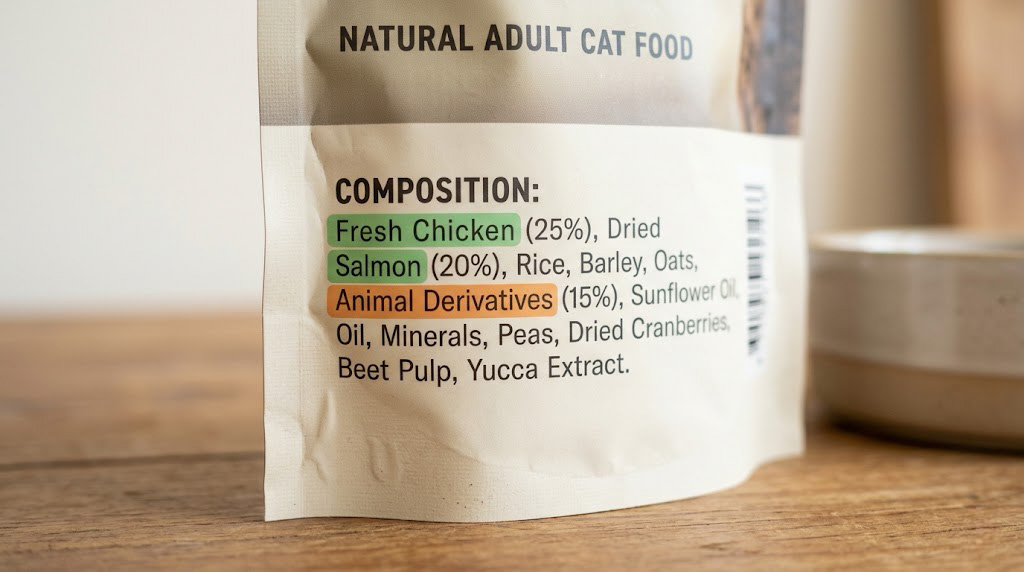
clearly identified protein sources (e.g., chicken, salmon, not vague terms like “meat derivatives”)
-
guaranteed analysis (protein, fat, fiber, moisture)
-
added essential vitamins and minerals
-
feeding guidelines based on body weight and life stage
This significantly reduces the risk of missing critical nutrients.
2. Consistency and Predictability
Each serving is formulated to deliver a consistent nutritional profile.
This stability supports:
- digestive health
- weight management
- easier monitoring of health changes over time
3. Convenience That Supports Long-Term Consistency
A feeding strategy only works if it can be maintained consistently.
Commercial diets make it easier to:
- measure portions accurately
- store food safely
- follow a stable feeding routine
This consistency is one of the most overlooked advantages of commercial feeding.
4. Life-Stage and Condition-Specific Nutrition
Many commercial diets are specifically developed for different needs, such as:
- small breed dogs
- indoor cats
- pets with sensitive digestion
- weight management or metabolic support
Small dogs often require higher calorie density and smaller kibble sizes. Learn more in our guide:
Best Dog Food for Small Breeds
5. Easier Adjustment When Health Issues Appear
If a pet develops symptoms such as vomiting, appetite loss, or digestive issues, it is often easier to adjust feeding using standardized commercial formulas than to reformulate a homemade diet from scratch.
This flexibility can be important for managing short-term issues and supporting long-term health strategies.
Weaknesses of Commercial Pet Food
Not all commercial pet food is created equal.
The main challenge is not that the food is commercial,
it is that product quality, ingredient transparency, and formulation standards can vary significantly between brands.
1. Vague or Non-Specific Ingredient Labels
Some products use unclear or generalized terms such as:
- “meat derivatives”
- “animal by-products”
- “cereals” (without specifying the source)
👉 These labels make it difficult for pet owners to evaluate ingredient quality and nutritional value accurately.
2. Marketing Claims vs. Nutritional Reality
Packaging often includes terms like:
- “natural”
- “premium”
- “grain-free”
However, these claims are not regulated indicators of overall nutritional quality. A product may appear high-quality from marketing alone while lacking optimal formulation.
3. Low Moisture Content in Dry Food
Dry food (kibble) typically contains significantly less moisture than wet or fresh diets.
This may impact:
- hydration levels (especially in cats)
- urinary tract health
- overall fluid intake
👉 For a deeper comparison, see:
Wet vs Dry Cat Food: Which One Is Better?
4. Variation in Ingredient Quality and Digestibility
Two commercial products may look similar on the label but differ greatly in:
-
Protein source quality: The actual amino acid profile.
-
Digestibility: How much of the food is actually processed by the gut.
-
Nutrient bioavailability: How well the pet can absorb and utilize nutrients for health.
5. Over-Reliance Without Individual Adjustment
While commercial diets provide consistency, they are still standardized. They may not always fully account for:
- individual metabolism
- specific activity levels
- subtle or developing health conditions
This is why many pet owners now seek more personalized nutrition approaches that bridge the gap between standard kibble and custom formulations.
Choosing commercial pet food requires more than reading the front of the package, it requires understanding ingredient quality, formulation standards, and how well the diet fits your pet’s individual needs.
How to Compare Homemade and Commercial Pet Food Properly
Many pet owners compare the wrong factors when choosing between homemade vs commercial pet food.
They often focus on:
- appearance
- smell
- “natural” perception
- emotional comfort
While these factors feel important, they do not accurately reflect nutritional quality or long-term health impact.
Instead, focus on these evidence-based criteria:
1. Nutritional Balance
Does the diet provide all essential nutrients in the correct proportions? A complete and balanced diet must contain bioavailable nutrients to ensure the foundation of long-term pet health.
2. Digestive Response
How does your pet actually respond to the food?
Look for:
- stable digestion
- normal stool quality
- absence of bloating, vomiting, or discomfort
3. Weight Stability and Body Condition (BCS)
Is your pet maintaining a healthy Body Condition Score over time? Unexplained weight gain or muscle loss can often indicate a significant nutritional imbalance.
4. Energy Levels and Coat Quality
Is your pet truly thriving, not just eating?
Healthy signs include:
- consistent energy and activity levels
- shiny, shed-resistant coat
- strong muscle maintenance
5. Long-Term Sustainability
Can you realistically maintain this feeding approach correctly every single week? Consistency is one of the most critical, and most overlooked, factors in pet nutrition.
A perfectly designed homemade diet that lasts ten days is less effective than a well-balanced commercial diet followed consistently for years.
Increasingly, pet owners are evaluating feeding decisions based on both nutritional quality and long-term sustainability, especially when considering the cost vs quality of custom pet food formulations.
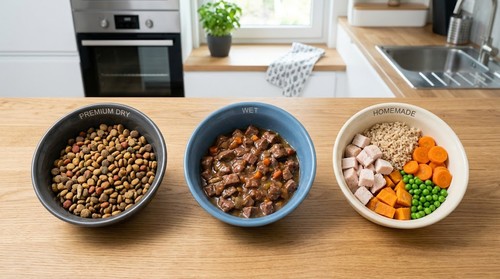
Dry vs Wet vs Homemade (Decision Stage Comparison)
For many pet owners, the real decision is not simply homemade vs commercial pet food.
Instead, they are choosing between:
- homemade diets
- dry commercial food (kibble)
- wet commercial food
- or a mixed feeding strategy
To make a practical decision, it helps to compare these options based on nutrition, convenience, and long-term sustainability.
Quick Comparison
| Option | Main Strength | Main Risk | Best For | Cost Level |
|---|---|---|---|---|
| Dry Food | Convenient, affordable, consistent | Low moisture, variable quality | Busy owners, long-term routine feeding | Low |
| Wet Food | High moisture, highly palatable | Higher cost, shorter shelf life | Cats, picky eaters, hydration support | Medium |
| Homemade | Full ingredient control | Risk of nutritional imbalance | Owners with time, knowledge, precision | High |
| Mixed Strategy | Balanced variety & hydration | Requires careful calorie tracking | Most pets; offers the “best of both” | Medium |
Key Insight
No single option is universally “best.”
The ideal feeding strategy depends on:
- your pet’s individual needs
- your ability to maintain consistency
- the nutritional completeness of the diet
This is why many pet owners today adopt mixed or personalized feeding approaches to balance quality, practicality, and long-term health outcomes.
If you’re comparing feeding styles in more detail, see:
Can Homemade Pet Food Be Better Than Commercial?
Yes, but only under specific, well-controlled conditions.
When comparing homemade vs commercial pet food, homemade diets can be beneficial if they are carefully designed and consistently maintained.
Homemade pet food may be better when:
-
it is scientifically formulated to meet complete nutritional requirements
-
it is tailored to the pet’s specific medical or dietary needs
-
it is prepared and followed consistently over time
-
it includes appropriate vitamin and mineral supplementation
-
it is regularly reviewed and adjusted as the pet’s needs change
However, without these conditions, homemade food is not automatically a better option.
It is simply fresher.
And freshness alone does not guarantee nutritional adequacy.
This distinction is critical.
Many pet owners equate “fresh” with “healthy” , but in pet nutrition, complete and balanced always matters more than appearance or ingredient perception.
Can Pets Thrive on Commercial Food Alone?
Yes, many pets can thrive on commercial diets when they are properly selected and fed correctly.
A high-quality complete and balanced commercial pet food is specifically formulated to support the nutritional needs of dogs and cats across different life stages.
Veterinary organizations generally recommend feeding diets that meet established nutritional standards. For example, the People’s Dispensary for Sick Animals (PDSA) highlights that complete commercial pet food is often one of the most reliable ways to ensure pets receive all essential nutrients when fed in appropriate portions for their age, weight, and lifestyle.
Learn more about veterinary feeding recommendations:
However, this does not mean every commercial product is ideal.
Nutritional quality can vary significantly between brands, ingredient sourcing, and formulation standards.
The key takeaway is this:
A well-selected, complete commercial diet is generally safer and more nutritionally reliable than an unbalanced homemade diet.
When comparing homemade vs commercial pet food, consistency, formulation accuracy, and nutritional completeness are often more important than whether the food is prepared at home or produced commercially.
Common Mistakes When Switching from Commercial to Homemade Food
Many problems with homemade pet diets do not come from the food itself, they come from how the transition is handled.
1. Switching Too Quickly
A sudden change in diet can disrupt your pet’s digestive system and lead to:
- vomiting
- diarrhea
- food refusal
👉 Always transition gradually over 7 to 10 days to allow the digestive system and gut microbiome to adapt.
2. Removing Essential Supplements
Many homemade diets lack key nutrients such as:
- calcium
- essential vitamins
- fatty acids
Removing supplements without proper formulation can lead to hidden nutritional deficiencies that may not show symptoms for months.
3. Copying Online Recipes Without Adaptation
Not all homemade pet food recipes are nutritionally complete. A recipe that works for one pet may not meet the needs of another due to differences in:
- age and life stage
- breed-specific needs
- underlying health conditions
- daily activity levels
4. Using the Same Diet for Dogs and Cats
This is a critical mistake. Dogs and cats have fundamentally different nutritional requirements.
Cats, as obligate carnivores, require specific essential nutrients, such as Taurine, that are not always adequately provided in generalized homemade recipes designed for dogs.
5. Ignoring Early Warning Signs
Nutritional imbalances often appear gradually. Watch for early indicators such as:
- frequent vomiting
- low energy or lethargy
- dull coat or excessive hair loss
- sudden appetite changes
These symptoms may indicate that the current diet is not meeting your pet’s unique biological needs. Frequent vomiting after meals is a common red flag in cats and may be linked to food intolerance, feeding speed, or improper diet composition.
Learn more about causes and solutions:
Key Nutritional Considerations (Ingredients & Species Differences)
Not all pet foods are equal, and not all labels are easy to interpret.
Understanding ingredient quality and species-specific needs is essential when comparing homemade vs commercial pet food.
1. Protein Source Clarity
Always prioritize clearly named protein sources such as:
- ✔ Chicken
- ✔ Salmon
- ✔ Lamb
Avoid vague terms like:
- “Meat meal”
- “Animal derivatives”
👉 Clear labeling usually indicates higher transparency and better ingredient quality.
2. Digestibility Matters More Than Appearance
A meal may look “natural” or healthy but still be difficult for your pet to digest. What matters most is:
-
Nutrient absorption: How well the body actually uses the food.
-
Digestive response: Looking for stable stool quality.
-
External signs: High energy levels and a shiny coat condition.
3. How to Read Labels Effectively
When evaluating commercial pet food, focus on these in order:
-
First Ingredient: This should always be a high-quality, named animal protein source.
-
Overall Protein Content: Ensuring it meets the minimum biological needs.
-
Fat Levels: Appropriate for your pet’s activity and age.
-
Micronutrients: The presence of essential, balanced vitamins and minerals.
4. Species-Specific Needs: Dogs vs. Cats
Dogs and cats have fundamentally different nutritional requirements.
-
Dogs: While they require precision, dogs have slightly more metabolic flexibility in their diet structure.
-
Cats: As obligate carnivores, cats have strict nutrient requirements and rely on specific amino acids like
Taurine. They are far less tolerant of dietary imbalance.
👉 This is why casually prepared homemade diets are significantly riskier for cats than for dogs.
Learn more about feline nutrition needs:
Cost vs. Quality: Is Homemade Pet Food Really Cheaper?
Many pet owners assume that homemade food is a more affordable alternative to premium commercial products.
Sometimes it is, but often, the true cost is underestimated.
When evaluating cost vs quality in custom pet food formulations, you need to consider the full picture beyond just the price of ingredients:
-
High-quality protein sources: Fresh meat and fish often cost more per serving than their processed counterparts.
-
Vitamin and mineral supplements: Veterinary-grade additives are essential and add to the monthly budget.
-
Oils and essential fatty acids: Necessary for skin and heart health, these are often hidden costs.
-
Storage and food waste: Fresh food has a shorter shelf life and requires proper refrigeration.
-
Preparation time and consistency: Your time is a valuable resource that is often overlooked.
-
Risk of nutritional mistakes: The potential cost of future veterinary visits due to avoidable deficiencies.
Commercial pet food, on the other hand, may appear more expensive upfront, but it often provides:
-
Portion control: Easier to measure and manage calories.
-
Consistent nutrient delivery: Every bowl is guaranteed to be balanced.
-
Reduced risk of formulation errors: Peace of mind that your pet is getting what they need.
-
Time efficiency: Simplifying your daily routine without sacrificing quality.
This makes high-quality commercial options more predictable in both cost and long-term health outcomes.
The Real Question
The decision is not simply about the price per bag or per meal. It is about sustainability.
Which feeding approach can you maintain correctly, consistently, and safely over the long term, without compromising your pet’s health?
Because in pet nutrition, short-term savings can sometimes lead to long-term health costs.
How to Choose the Right Option for Your Pet
If you are at the decision stage, do not ask:
“Which side wins?”
Ask:
1. Does my pet have special needs?
Allergies, weight issues, digestive problems, low appetite, urinary risk?
2. Can I stay consistent?
Can you prepare, measure, supplement, and store properly every week?
3. Am I choosing based on evidence or emotion?
Love matters. But food decisions still need structure.
4. Is the diet complete?
This is the most important question of all.
According to the British Veterinary Association, feeding decisions for dogs and cats should prioritize balanced nutrition and evidence-based guidance rather than popular feeding trends. This is why veterinary professionals often recommend focusing on complete diets that meet a pet’s nutritional needs instead of relying on assumptions about what “sounds healthier.”
You can learn more about veterinary recommendations in the British Veterinary Association policy on diet choices for cats and dogs.
Signs Your Current Diet May Not Be Working
No matter which feeding approach you choose, homemade, commercial, or mixed, your pet’s physical and behavioral response is the most important indicator of diet quality.
Watch for these common warning signs that may suggest a nutritional mismatch:
-
Chronic loose stool or gas: A sign of poor digestibility or ingredient sensitivity.
-
Frequent vomiting: Especially soon after eating, indicating potential intolerance.
-
Dull or dry coat: Often a sign of missing essential fatty acids or minerals.
-
Low energy or reduced activity: Could indicate insufficient calorie intake or nutrient gaps.
-
Itching or skin irritation: Frequently linked to food sensitivities or allergies.
-
Persistent hunger or “scavenging”: May suggest the diet is not satisfying their biological needs.
-
Unexplained weight gain or loss: A direct indicator of caloric or metabolic imbalance.
What These Symptoms May Indicate:
-
Nutritional Imbalance: Missing or excessive levels of specific vitamins and minerals.
-
Poor Ingredient Digestibility: Low-quality fillers that the body cannot process.
-
Food Intolerance: A specific reaction to certain protein or carbohydrate sources.
-
An Unsuitable Feeding Strategy: The diet may not match your pet’s life stage or lifestyle.
👉 Your pet’s actual health should always guide your feeding decisions.
Not marketing trends.
Not attractive packaging.
Not unverified online opinions.
If symptoms such as frequent vomiting or chronic digestive issues appear, it is essential to investigate the root cause rather than just switching brands randomly.
Learn more about possible causes and when to seek professional advice:

Practical Recommendation for Most Owners
For most pet owners, the safest and most reliable starting point is a high-quality, complete and balanced commercial diet.
When comparing homemade vs commercial pet food, consistency and nutritional completeness are often more important than preparation method.
A well-selected commercial diet is typically:
- easier to use and maintain
- easier to portion accurately
- more consistent in nutrient delivery
- more likely to meet established veterinary nutrition standards
Homemade pet food can absolutely be beneficial.
However, it should be approached as a structured nutrition strategy, not an improvised or casual routine.
That means:
- following a properly formulated plan
- using appropriate supplementation
- maintaining long-term consistency
If you prefer homemade, do it carefully and with structure.
If you prefer convenience, choose commercial food thoughtfully.
If you want flexibility, a mixed or personalized feeding approach can often provide a practical balance between quality and consistency.
The best feeding decision is not about choosing sides,
it is about choosing what you can maintain correctly for your pet over time.
Frequently Asked Questions (FAQ)
Is homemade pet food better than commercial pet food?
Not automatically. Homemade pet food can be excellent if it is scientifically balanced, but for most owners, a high-quality, complete commercial diet is safer and easier to maintain long-term. The “better” choice is always the one that ensures full nutritional adequacy every single day.
Can I feed my dog homemade food every day?
Yes, but only if the recipe is nutritionally complete and remains consistent. Feeding an unbalanced homemade meal daily can lead to gradual nutrient deficiencies. If you choose this path, you must ensure you are not just “cooking,” but following a precise formulation.
Can cats eat homemade food safely?
Yes, but with caution. Cats are obligate carnivores with much stricter nutrient requirements (such as Taurine and Arachidonic acid) than dogs. Homemade cat diets are significantly harder to balance and should never be done casually or without professional guidance.
What is the biggest risk of homemade pet food?
The primary risk is nutritional imbalance. This includes missing essential vitamins, minerals, and amino acids, or having an incorrect calcium-to-phosphorus ratio. These “hidden deficiencies” can lead to serious bone, heart, and metabolic issues over time.
Is wet food better than homemade food?
Not always. Wet food offers guaranteed balance and high hydration, while homemade food offers total ingredient control. The right answer depends on the formulation quality and your pet’s specific health needs, such as urinary health or food sensitivities.
How do I know if my pet’s diet is complete?
First, ensure the diet is designed to meet established nutritional standards. Second, monitor your pet’s “real-world” indicators: stable weight, healthy digestion (firm stools), high energy levels, and a shiny, shed-resistant coat.
Conclusion
The debate around homemade vs commercial pet food is not really about which option sounds more natural or appealing.
It is about one thing:
Which feeding approach consistently provides complete, safe, and sustainable nutrition for your pet?
To summarize the trade-offs:
-
Homemade diets offer: Ingredient control, customization, and perceived freshness.
-
Commercial diets offer: Guaranteed nutritional completeness, consistency, and convenience.
Neither approach is universally “better.” The best choice depends entirely on your pet’s biological needs, your ability to maintain consistency, and the actual nutritional quality of the diet over time. That is what responsible feeding truly means.
Make the Right Decision for Your Pet
Still unsure which option is right for your situation?
👉 Don’t rely on guesswork, marketing claims, or conflicting online advice.
Modern pet nutrition decisions are increasingly data-driven, not assumption-based. FAMMO helps you navigate the complexity of pet health by understanding:
- Your pet’s specific nutritional requirements
- Individual feeding patterns and activity levels
- Potential health risk signals
- Personalized, data-backed diet recommendations
Take the guesswork out of the bowl and start making decisions based on real health data.
👉 Create your free FAMMO account and start your analysis today