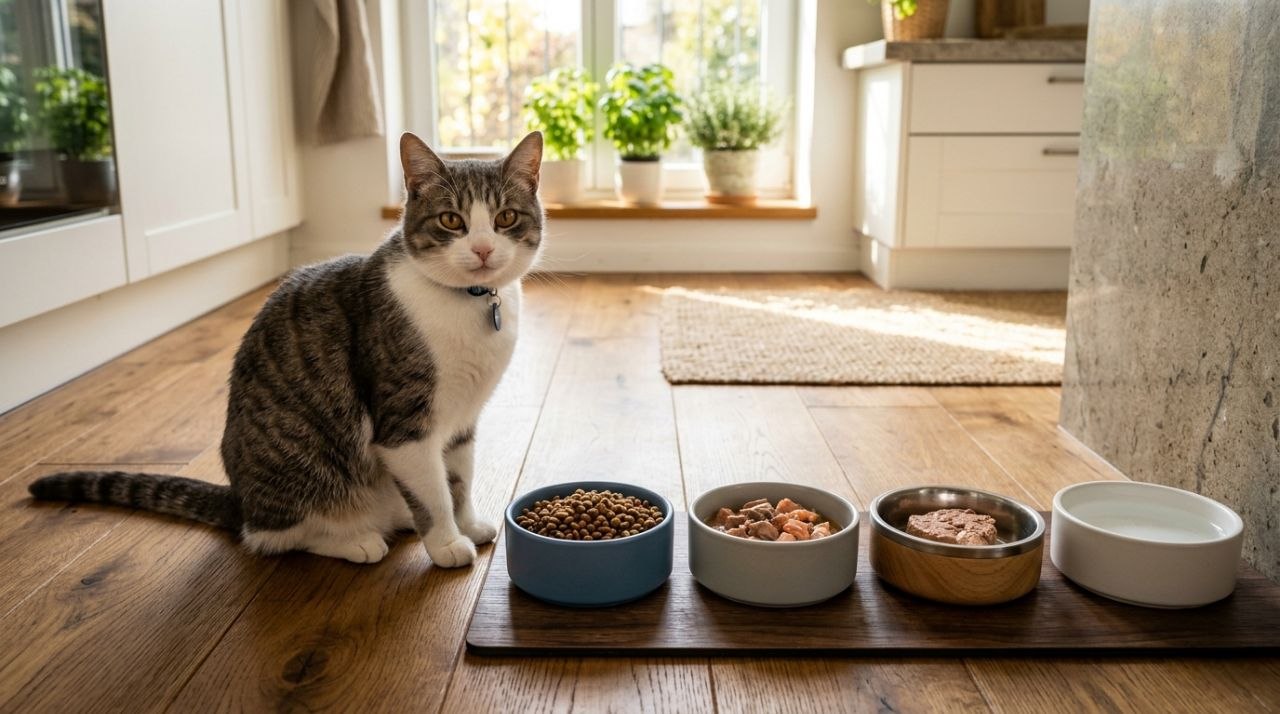
Choosing the best cat food brand in Europe can feel confusing, especially when every label promises premium ingredients, complete nutrition, or vet-approved quality. This guide compares leading European cat food brands for 2026 using nutrition standards, ingredient transparency, sustainability signals, and real-life feeding needs.
Every brand claims to be premium, natural, complete, or vet-approved. But your cat does not need marketing words. Your cat needs safe ingredients, high-quality animal protein, balanced nutrients, enough moisture, and food that matches age, weight, activity level, and health risks.
This guide compares the best cat food brands in Europe for 2026 using veterinary nutrition principles, European pet food standards, ingredient transparency, sustainability signals, and real-life feeding needs.
Table of Contents: What You’ll Learn in This Guide
- What Is the Best Cat Food Brand in Europe?
- Best Cat Food 2026: Quick Answer for European Cat Owners
- Quick Overview: Top European Cat Food Categories for 2026
- Why European Cat Food Standards Matter
- How We Evaluated the Best Cat Food Brands in Europe
- What Does “Vet-Recommended Cat Food” Really Mean?
- What Makes a Cat Food Brand High Quality?
- Top Cat Food Brands in Europe (2026)
- Best Cat Food Brands in Europe: Quick Comparison
- Top Dry Cat Food Brands in Europe
- Top Wet Cat Food Brands in Europe
- Best Organic and Sustainable Cat Food Brands
- Best Budget Cat Food Brands in Europe
- Grain-Free vs Regular Cat Food
- How to Choose the Right Food for Your European Cat
- Common Mistakes Cat Owners Make
- The Science Behind Feline Nutrition: A Data-Driven Approach
- FAQ: Best Cat Food Brands in Europe
- Conclusion: Choosing the Best Cat Food Brand in Europe
- Too Many Cat Food Options? Let FAMMO Help You Choose Smarter
What Is the Best Cat Food Brand in Europe?
The best cat food brand in Europe depends on your cat’s age, weight, activity level, hydration habits, and health needs. A high-quality European cat food should follow recognized nutrition standards such as FEDIAF nutritional guidelines, use named animal protein sources, provide complete and balanced nutrients, and avoid vague fillers or unnecessary additives.
Best Cat Food 2026: Quick Answer for European Cat Owners
For most European cat owners in 2026, the best cat food is not simply the most expensive, most popular, or most advertised brand. A strong choice is a complete food formulated for your cat’s life stage, with an appropriate nutrient profile, clear ingredient information, essential nutrients such as taurine, and feeding guidance that fits their individual needs.
Remember that the best cat food for a young active outdoor cat may not be the ideal choice for an indoor sterilized cat, a senior cat, or a feline with sensitive digestion. In Europe, brands such as Farmina, Royal Canin, Josera, Bozita, Animonda, Edgard & Cooper, Yarrah, and Almo Nature are all worth comparing, depending on your cat’s requirements, whether you need dry food, wet food, indoor support, sensitive digestion, grain-free recipes, or better everyday value.
A practical approach is not to start with the brand name. Start with your cat’s profile first: age, weight, activity level, sterilization status, hydration habits, and health history. Then, compare the food based on how well it fits that specific profile.
Before comparing products, our step-by-step guide to reading a pet food label explains how to check whether a food is complete or complementary, understand ingredient declarations, and use feeding information more confidently.
Quick Overview: Top European Cat Food Categories for 2026
| Category | Key Requirement | Best For |
|---|---|---|
| Best Overall | FEDIAF-aligned, complete nutrition & premium protein | Adult cats needing a balanced daily diet |
| Best Wet Cat Food | High moisture, named meat sources & balanced minerals | Cats with low thirst or urinary concerns |
| Best Dry Cat Food | High-density protein & controlled calories | Owners seeking convenience and portion control |
| Best Budget-Friendly | Transparent ingredients & strong cost-per-serving | Quality-conscious owners seeking best value |
| Best Grain-Free | High meat inclusion & grain-free alternatives | Cats with specific grain sensitivities |
| Best Eco-Friendly | Sustainable sourcing & recyclable packaging | Environmentally conscious pet parents |
| Best for Indoor Cats | Metabolism support & calorie-controlled formula | Less active cats needing weight-management |
| Best for Sensitive | Limited ingredients & highly digestible recipes | Cats with food intolerances or digestive upsets |
💡 Finding the Perfect Match
While this overview highlights the top-tier options in Europe, the “best” food is never one-size-fits-all. Every cat has a unique nutritional profile shaped by age, weight, activity level, hydration habits, metabolism, and health sensitivities.
Choosing between wet, dry, grain-free, or specialized diets can be complex. To take the guesswork out of your decision, FAMMO’s AI-driven analysis tool can evaluate your cat’s profile, feeding habits, activity level, and health signals to provide more personalized nutrition insights before you commit to a brand.
Why European Cat Food Standards Matter
Before comparing specific brands, it helps to understand why European cat food is often trusted by pet parents around the world. Pet food production in Europe is shaped by strict rules around safety, labeling, ingredient traceability, and nutritional completeness.
The Role of FEDIAF
The industry follows the science-based guidance of the European Pet Food Industry Federation (FEDIAF). These guidelines are an important benchmark for “complete” pet food, helping manufacturers formulate diets with an appropriate balance of digestible animal protein, fats, vitamins, minerals, amino acids, and energy for different life stages, from growth to senior years.
Ingredient Safety & Traceability
European standards place a strong emphasis on how ingredients are sourced and documented. Animal-origin ingredients used in pet food must pass veterinary inspection and be considered safe for the food chain. While brands may use nutrient-dense organs that humans do not commonly eat, such as heart, liver, or lungs, these ingredients can still provide valuable nutrients when properly sourced and processed.
Beyond Marketing: Real Value
Choosing a European brand is about more than premium packaging. The real value lies in:
-
Nutritional Completeness: Designed to meet daily nutrient needs without routine supplementation.
-
Transparent Sourcing: Clearer information about where key ingredients and protein sources come from.
-
Strict Labeling: More reliable information about what is, and is not, in the bowl.
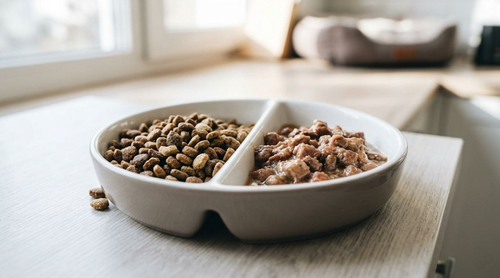
How We Evaluated the Best Cat Food Brands in Europe
To identify the best cat food brands in Europe for 2026, we looked beyond packaging and marketing claims. Our evaluation focuses on practical nutrition and quality signals that affect your cat’s long-term health and your peace of mind as a pet parent.
We assessed each brand based on five core criteria:
-
Nutritional Completeness: We looked for formulas labeled as “complete” meals, designed to provide essential vitamins, minerals, amino acids, and energy for daily health.
-
Protein Quality & Bioavailability: We prioritized brands that use clear, named animal protein sources such as chicken, salmon, turkey, lamb, or beef, rather than vague terms without a clearly identified animal source.
-
Ingredient Transparency: We looked for clear labeling, understandable ingredient lists, and honest communication about sourcing and unnecessary fillers.
-
Specialized Life-Stage Support: We evaluated the variety of options available for kittens, senior cats, indoor cats, cats with sensitive stomachs, and cats needing weight-management support. If you are feeding a growing kitten, our kitten feeding guide by age explains how feeding frequency and food needs change from weaning through the first year.
-
European Standards & Trust: We prioritized brands that are accessible across Europe, including the EU and UK, and follow recognized safety, labeling, and manufacturing expectations.
### ⚠️ A Note on Veterinary Care
This guide is intended for educational purposes and is not a replacement for professional veterinary advice. If your cat has specific health conditions such as kidney disease, diabetes, obesity, food allergies, chronic vomiting, or urinary issues, please consult your veterinarian before making any significant changes to their diet.
What Does “Vet-Recommended Cat Food” Really Mean?
When cat owners search for vet-recommended cat food, they are usually looking for safety, trust, and nutritional reliability. But “vet-recommended” should not be understood as one universal brand that fits every cat.
A veterinarian may recommend different foods depending on the cat’s age, weight, sterilization status, digestion, urinary health, kidney function, allergies, or weight-management needs.
For healthy cats, a strong everyday food should usually be complete and balanced, made with clearly named animal protein, suitable for the cat’s life stage, and supported by transparent feeding guidance.
For example, an indoor sterilized cat may need a formula with controlled calories and clear portion guidance, while a senior cat may need food that supports hydration, digestibility, appetite, and long-term body condition.
If your cat has a medical condition, the best choice should always be made with your veterinarian, especially for urinary issues, kidney disease, diabetes, obesity, chronic vomiting, or suspected food allergies.
In other words, the best vet-recommended cat food is not simply the brand with the strongest marketing claim. It is the food that matches your cat’s real health profile and can be used safely as part of their daily care.
What Makes a Cat Food Brand High Quality?
A high-quality cat food brand goes beyond an attractive label or premium packaging. The best options combine complete nutrition, transparent labeling, and formulas tailored to a cat’s specific age, lifestyle, and health needs.
1. The Priority of Animal Protein
Because cats are obligate carnivores, animal-based protein must play the central role in their diet. When evaluating a brand, look for named protein sources, such as chicken, turkey, salmon, lamb, or beef, rather than vague terms like “meat derivatives” or “animal by-products.”
2. Essential Nutrient Balance
High-quality brands prioritize a precise balance of nutrients that support long-term vitality:
-
Taurine: Critical for normal heart and eye function.
-
Healthy Fats: Essential for skin health and a shiny coat.
-
Balanced Minerals: Key for maintaining urinary tract health.
-
Digestible Ingredients: Ensuring maximum nutrient absorption with minimal waste.
3. Transparency & Integrity
A trustworthy brand is transparent about its sourcing and avoids unnecessary artificial colors or preservatives. Most importantly, it should clearly state whether the food is “Complete and Balanced,” meaning it meets all the nutritional requirements for daily feeding without the need for extra supplements.
Top Cat Food Brands in Europe (2026)
The European cat food market is characterized by some of the world’s most rigorous safety, labeling, and quality expectations. For 2026, leading brands are prioritizing nutritional completeness, ingredient transparency, and more sustainable manufacturing.
Whether you are looking for grain-free recipes, targeted nutrition, wet food, or eco-friendly options, these brands offer practical choices for different feeding needs, lifestyles, and health considerations.
Best Cat Food Brands in Europe: Quick Comparison
| Brand | Country | Best Category | Main Strength | Best For |
|---|---|---|---|---|
| Farmina N&D | Italy | Premium Dry Food | High animal-protein and low-glycemic | Meat-focused daily nutrition |
| Royal Canin | France | Targeted Nutrition | Breed, age and life-stage specific | Specific lifestyle or health needs |
| Josera | Germany | Sustainable Dry Food | Sustainability-focused and sensitive | Eco-conscious pet parents |
| Bozita | Sweden | Quality Wet Food | High-moisture and Nordic sourcing | Hydration-conscious feeding |
| Animonda Carny | Germany | Meat-Rich Wet Food | Transparent meat and grain-free | Cats preferring meat-rich wet food |
| Edgard & Cooper | Belgium | Eco-Friendly Food | Fresh-meat and sustainable packaging | Environmentally conscious homes |
Looking specifically at higher-end formulas? Our guide to premium cat food brands in Europe takes a closer look at premium positioning, ingredient transparency, nutrition quality, and whether paying more actually provides better value for your cat.
Best German Cat Food Brands to Consider
Germany is one of the strongest European markets for practical, widely available cat food. For cat owners searching specifically for German cat food brands, Josera and Animonda are two important names to compare.
Josera is especially relevant for dry food, indoor cats, sensitive digestion, and owners looking for balanced daily feeding at a reasonable price point.
Animonda, especially the Carny line, is a strong option for cat owners who prefer meat-rich wet food with clearer ingredient transparency.
For German cat owners, the best choice depends on format and feeding style. Josera may be more practical for dry feeding and everyday value, while Animonda is often more relevant for wet food and meat-focused recipes.
The key is not to choose a brand only because it is German, but to compare how well the formula fits your cat’s age, weight, activity level, digestion, and hydration needs.
Top Dry Cat Food Brands in Europe
Dry cat food, or kibble, remains a popular choice for many pet owners because it is convenient, easy to store, and simple to portion. While it should not replace fresh water or hydration from wet food, the best dry food brands in Europe focus on named animal proteins, balanced minerals, controlled calories, and formulas designed for different life stages and lifestyles.
1. Farmina N&D (Italy)
Farmina N&D is a premium European cat food line known for meat-focused recipes, low-glycemic formulas, and options that include both grain-free and ancestral-grain diets.
-
Key Benefits: Their recipes emphasize named animal protein sources, controlled carbohydrate levels, and formulas designed for different life stages and feeding preferences.
-
Best For: Cats that do well on premium, meat-focused dry food with clear ingredient positioning.
2. Royal Canin (France)
Royal Canin is one of the most established pet food brands globally, with a strong focus on science-based and targeted nutrition tailored to specific life stages, breeds, lifestyles, and veterinary needs.
-
Key Benefits: The brand offers a wide range of formulas for kittens, adult cats, senior cats, indoor cats, sterilized cats, long-haired breeds, digestive sensitivity, and urinary health needs.
-
Best For: Owners seeking targeted nutrition based on age, breed, lifestyle, or health-related needs under veterinary guidance.
3. Josera (Germany)
Josera is a German family-owned brand known for balanced dry food formulas, clear ingredient communication, and a strong sustainability focus.
-
Key Benefits: Many recipes avoid artificial colors, flavors, and preservatives. The brand also offers formulas designed for indoor cats, sensitive cats, and cats with specific digestion needs.
-
Best For: Owners looking for reliable, well-balanced dry food from a brand with an eco-conscious philosophy.
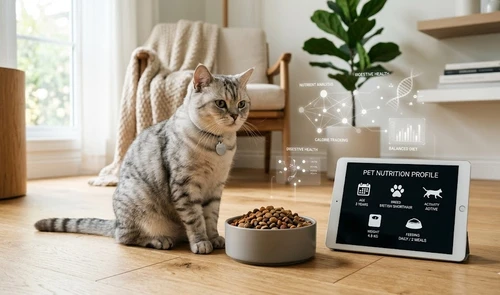
Top Wet Cat Food Brands in Europe
Wet cat food plays a vital role in feline nutrition, primarily due to its high moisture content which naturally supports daily hydration. Since many cats have a low thirst drive, a trait inherited from their desert-dwelling ancestors, high-moisture meals are essential for maintaining healthy kidney and urinary tract function.
Beyond hydration, the best wet cat food brands in Europe focus on named animal protein sources, balanced minerals, and textures that appeal to even the most selective eaters.
💡 Feeding Strategy: If you are weighing the pros and cons of different formats, read our complete guide on Wet vs. Dry Cat Food to understand how to best balance your cat’s bowl.
1. Bozita (Sweden)
Bozita is a standout Swedish brand, benefiting from some of the world’s most stringent animal welfare and agricultural regulations. Their recipes are a reflection of Nordic quality and sustainability.
-
Key Benefits: Bozita is known for exceptionally high meat content and the use of unique, ethically sourced proteins like Swedish reindeer or Arctic salmon. Their convenient, eco-friendly Tetra Recart® packaging is a favorite for planet-conscious owners.
-
Best For: Cats needing high-moisture diets and owners who prioritize hormone-free, antibiotic-free, and ethically sourced Nordic ingredients.
2. Animonda Carny (Germany)
As one of Germany’s most respected meat-rich lines, Animonda Carny focuses on a “pure meat” philosophy. It is designed to mimic the natural carnivorous diet of a cat as closely as possible.
-
Key Benefits: The brand is a leader in transparency; labels clearly list the specific percentages of animal ingredients (e.g., heart, lung, or liver). Most formulas are strictly grain-free and contain no added sugars or soy.
-
Best For: Cats that crave meat-dense textures and owners seeking a straightforward, transparent, and biologically appropriate wet food.
3. Almo Nature (Italy)
Almo Nature is an Italian pioneer, famous for its minimalist recipes and its unique “HFC” line (ingredients originally fit for human consumption). It is also a brand with a mission, as 100% of their profits go toward biodiversity protection.
-
Key Benefits: Their recipes are simple and recognizable, often featuring shredded chicken or fish in a natural broth. The absence of complex additives makes the aroma and taste highly appealing to “picky eaters.”
-
Best For: Selective cats that prefer natural textures, and owners looking for simple, clean-label recipes from a brand that supports global conservation.
💡 Not sure whether wet food is better for your cat?
Your cat’s hydration habits, age, weight, appetite, and health signals can all affect the right wet-to-dry food balance. FAMMO’s Profile Tool helps you understand your cat’s feeding profile and get more personalized nutrition insights before choosing a brand.
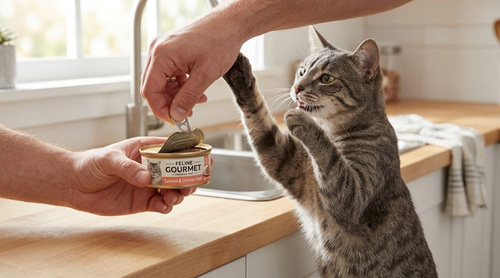
Best Organic and Sustainable Cat Food Brands
Demand for organic and sustainable pet food continues to grow across Europe. More pet parents are now looking beyond protein percentages and flavor claims. They also want clearer sourcing, responsible packaging, ethical production, and brands that take environmental impact seriously.
1. Yarrah (Netherlands)
Yarrah is one of Europe’s long-established organic pet food brands, producing organic dog and cat food since 1992. The brand emphasizes organic ingredients, traceability, and European organic standards, making it especially relevant for pet parents looking for a Netherlands-based organic option.
-
Key Benefits: Yarrah focuses on certified organic ingredients, avoids unnecessary artificial additives, and communicates clearly around its sustainability and certification standards.
-
Best For: Owners looking for certified organic cat food from a long-established European brand with strong sustainability values.
2. Edgard & Cooper (Belgium)
Edgard & Cooper is a Belgian pet food brand known for fresh-meat positioning, playful branding, and a strong sustainability mission. The brand focuses on more transparent ingredient communication, practical recipes, and packaging improvements designed to reduce environmental impact.
-
Key Benefits: Edgard & Cooper offers dry and wet food options with a focus on fresh meat, clear recipes, and sustainability initiatives such as easier-to-recycle packaging and animal welfare projects.
-
Best For: Owners looking for modern European cat food with stronger sustainability values and clear ingredient positioning.
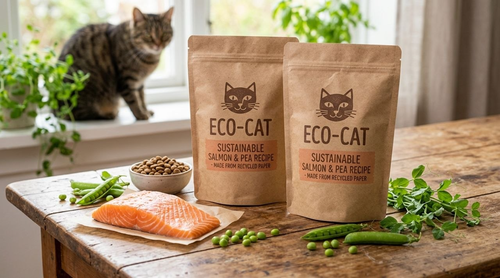
Sustainable and Eco-Friendly Choices in Europe
In 2026, transparency is not only about ingredients. It is also about how food is sourced, packaged, and produced. Many proactive pet parents are now prioritizing eco-friendly cat food alongside nutritional quality.
European brands such as Edgard & Cooper, Yarrah, and Yora show how sustainability can appear in different ways across the pet food market:
-
Sustainable Sourcing: Using responsibly sourced animal proteins, organic ingredients, or alternative proteins such as insect-based protein.
-
Recyclable Packaging: Moving toward easier-to-recycle bags, cartons, and packaging formats where possible.
-
Ethical Manufacturing: Reducing waste, improving supply-chain transparency, and setting clearer environmental goals.
Choosing an eco-friendly cat food brand can be one way to align your cat’s nutrition with your household’s sustainability values.
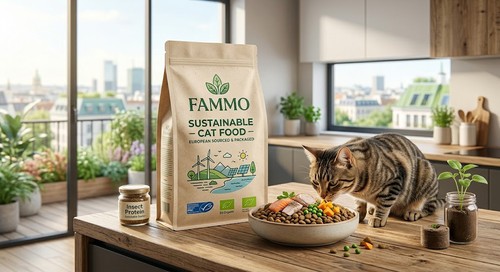
Best Budget Cat Food Brands in Europe
Good cat nutrition does not always have to be expensive. Many pet parents in Europe, especially in the Netherlands, Germany, and the UK, look for affordable cat food that still provides complete nutrition, clear ingredients, and reliable daily feeding value.
The best budget-friendly cat food brands are not simply the cheapest options on the shelf. They should still provide named animal protein sources, complete and balanced nutrition, transparent labeling, and formulas that match your cat’s age, activity level, and lifestyle.
When comparing affordable cat food in Europe, look for:
-
Named protein sources: such as chicken, turkey, salmon, or clearly identified meat meals.
-
Complete nutrition: food labeled as complete and balanced for daily feeding.
-
Clear ingredient lists: avoiding vague terms or confusing marketing claims.
-
Good cost-per-serving value: not just the lowest bag or can price.
-
Digestibility: formulas your cat can tolerate consistently without frequent digestive upset.
Budget-friendly does not mean low quality. The goal is to find a food that balances price, nutrition, transparency, and long-term suitability for your cat.
If you are comparing cat food by price, do not look at cost alone. Read our guide on cost vs quality in cat food to understand how protein source, moisture, ingredient transparency, and nutritional value affect the real long-term value of cat food.
How to Choose Affordable Cat Food Without Losing Quality
Choosing affordable cat food does not mean choosing the cheapest package on the shelf. A better way is to compare the real cost per serving, ingredient quality, feeding amount, moisture level, and whether the food is complete and balanced for daily nutrition.
Some cheaper foods may look affordable at first, but if the feeding amount is much higher or the protein quality is unclear, they may not be the best long-term value. For everyday feeding, look for clearly named animal protein, essential nutrients such as taurine, transparent feeding guidelines, and a formula that matches your cat’s age, weight, activity level, and digestion.
For senior cats, affordability should not come at the cost of digestibility, hydration, or appetite support. Older cats may need softer textures, wet food, or mixed feeding if they drink less water, eat less consistently, or have dental sensitivity.
For cat owners in Germany, France, the Netherlands, Spain, or other European countries, widely available brands can often provide better value because they are easier to compare, buy consistently, and adjust over time.
Recommended Budget-Friendly Cat Food Brands in Europe
1. Josera (Germany)
Josera is a strong budget-friendly choice for European cat owners, including pet parents in the Netherlands, who want balanced dry food without moving into luxury pricing. The brand is widely available through major European pet retailers and offers practical formulas for adult cats, indoor cats, sensitive cats, and sterilized cats.
-
Key Benefits: Clear recipes, good daily feeding value, and options for different lifestyles.
-
Best For: Owners looking for reliable dry cat food with a strong price-to-quality balance.
2. Animonda (Germany)
Animonda is a widely available German brand with affordable wet food options across Europe, including the Netherlands through major online retailers. Its Carny line is especially popular among owners who want meat-rich wet food with clear ingredient labeling.
-
Key Benefits: Meat-focused wet food, transparent ingredient lists, and good value for daily feeding.
-
Best For: Cats that prefer wet food and owners looking for budget-conscious meat-rich meals.
3. Bozita (Sweden)
Bozita can be a good value option for European owners looking for wet food in larger packs or practical packaging formats. It is available through European pet food retailers and is especially useful for owners comparing cost-per-serving value rather than only the upfront price.
-
Key Benefits: High-moisture meals, practical packaging, and Nordic sourcing philosophy.
-
Best For: Cats that benefit from wet food and owners looking for hydration-conscious feeding at a reasonable value.
Grain-Free vs Regular Cat Food
The grain-free debate is one of the most common topics among cat owners in Europe. Regular cat foods may use grains such as rice, oats, or corn as part of the carbohydrate source or kibble structure.
For many healthy cats, properly formulated diets that include grains can still be complete, balanced, and digestible.
However, grain-free cat food may be useful for some cats with specific sensitivities or when owners prefer meat-focused formulas with alternative carbohydrate sources. The important point is that grain-free does not automatically mean healthier, lower-carb, or better for every cat.
Some grain-free foods replace grains with potatoes, peas, lentils, or other starches, so the total carbohydrate level can still be high. That is why the best approach is to look beyond the “grain-free” label and check the full formula: protein quality, moisture level, calories, ingredient transparency, and whether the food is complete and balanced.
If you are comparing homemade, commercial, grain-free, or regular diets, read our guide on homemade vs commercial pet food to understand how different feeding choices affect nutrition quality, safety, and long-term consistency.
For a complete breakdown of the top grain-free brands available across Europe, including how to read labels, compare formats, and transition your cat safely, see our dedicated guide: Best Grain-Free Cat Food in Europe 2026.
How to Choose the Right Food for Your European Cat
Choosing the right cat food is not only about picking the most popular European brand. The best option depends on your cat’s age, weight, activity level, sterilization status, hydration habits, digestion, and any health conditions your veterinarian has identified.
A young active cat may need a different calorie level than a senior indoor cat. A cat that rarely drinks water may benefit from more wet food in the diet. A cat with a sensitive stomach may need a simpler formula with clearly named protein sources.
1. Assess Your Cat’s Activity Level
An active outdoor cat may burn more calories than a senior indoor cat that spends most of the day resting. More active cats may tolerate richer, more calorie-dense foods, while less active or sterilized cats often need careful portion control and weight-management support.
For homebound cats, read our guide on the best diet for indoor cats to understand how indoor lifestyle, lower activity, and portion control affect feeding choices.
2. Read the Ingredient Label Carefully
European pet food labels usually list ingredients in descending order by weight, but the ingredient list alone does not tell you everything about a food’s nutritional quality. Check whether the product is labelled as complete or complementary, which life stage it is intended for, and whether the feeding guidance fits your cat’s needs.
Clearly identified animal ingredients, such as chicken, turkey, salmon, lamb, or beef, can make formulas easier to compare, especially if your cat has a known or suspected food sensitivity. However, broader terms such as “animal derivatives” or “by-products” do not automatically mean a food is low quality.
The more important question is whether the food provides complete nutrition, appropriate nutrient levels, clear feeding guidance, and enough transparency for you to understand what you are feeding your cat.
3. Check Whether the Food Is Complete
For daily feeding, look for food labeled as complete or complete and balanced. This matters because cats need specific nutrients such as taurine, essential fatty acids, vitamins, minerals, and amino acids.
Complementary foods, toppers, or treats can be useful, but they should not replace a complete daily diet unless your veterinarian has designed a specific feeding plan.
4. Consider Hydration
Hydration is especially important for cats because many cats do not drink large amounts of water on their own. Wet food can help increase daily moisture intake and may be useful for cats that prefer softer textures or drink very little from a bowl.
Even if you choose premium dry food, always provide fresh water and monitor your cat’s drinking habits, appetite, litter box behavior, and weight changes.
5. Match the Food to Your Cat’s Real Needs
The best European cat food brand is the one that fits your cat consistently. Before choosing, ask:
- Is my cat indoor, outdoor, or mixed lifestyle?
- Is my cat sterilized or intact?
- Does my cat need weight control?
- Does my cat drink enough water?
- Does my cat have digestive sensitivity?
- Is the food complete for daily feeding?
💡 Need help choosing the right food type?
FAMMO’s Profile Tool helps analyze your cat’s age, weight, activity level, feeding habits, and health signals to provide more personalized nutrition insights before choosing a brand.
Common Mistakes Cat Owners Make
Even with the best intentions, many cat owners make feeding mistakes that can affect weight, digestion, hydration, and long-term health. Choosing a good brand matters, but how you feed your cat matters just as much.
1. Overfeeding Dry Food
One of the most common mistakes is free-feeding, where dry food is left out all day. This can make it difficult to control calories, especially for indoor or sterilized cats with lower activity levels.
Over time, excess calories may contribute to weight gain, which can increase the risk of health problems such as diabetes, joint stress, and reduced mobility.
2. Switching Food Too Quickly
Changing to a new cat food brand too fast can upset your cat’s digestion. A gradual transition over 7 to 10 days is usually easier on the stomach.
Start by mixing a small amount of the new food with the old food, then slowly increase the new food each day while monitoring appetite, stool quality, and vomiting.
3. Trusting Marketing Claims Too Easily
Words like “premium,” “natural,” “grain-free,” or “vet-inspired” do not automatically mean the food is better. Always check the ingredient list, nutritional adequacy statement, feeding guide, and whether the formula is complete for daily feeding.
4. Ignoring Hydration
Many cats do not drink enough water from a bowl. If your cat eats mostly dry food, consider adding wet food, using a water fountain, or monitoring water intake more carefully.
5. Not Adjusting Portions Over Time
Your cat’s food needs can change with age, sterilization, activity level, weight changes, and health status. A portion size that worked last year may not be right today.
💡 Small feeding mistakes can become long-term health problems.
The right food choice starts with understanding your cat’s real profile, not guessing from packaging claims.
Create your free FAMMO profile and discover smarter, more personalized feeding insights based on your cat’s age, weight, lifestyle, hydration habits, and health signals.
The Science Behind Feline Nutrition: A Data-Driven Approach
At FAMMO, we believe choosing cat food should not depend only on packaging claims, trend words, or generic online rankings. The best feeding decisions come from understanding the individual cat behind the bowl.
A cat’s age, weight, activity level, sterilization status, hydration habits, appetite, digestion, and health signals can all change what “best” means in practice. That is why a food that works well for one cat may not be the right match for another.
By turning everyday pet information into clearer nutrition insights, FAMMO helps pet parents compare feeding options more confidently and make more personalized decisions before choosing or changing a brand.
FAQ: Best Cat Food Brands in Europe
What is the best cat food brand in Europe?
The best brand depends on your cat’s unique profile. Look for brands that follow FEDIAF guidelines, use named animal proteins, and offer life-stage-specific formulas.
Is wet cat food better than dry cat food?
Wet food provides more moisture and can help support daily hydration, especially for cats that drink little water, while dry food offers convenience. Many experts recommend a mixed feeding approach to get the benefits of both.
Is grain-free cat food better for cats?
Not necessarily. The overall nutrient balance and protein quality are more important than the “grain-free” label, which sometimes hides high amounts of other starch sources.
What is the best cat food in 2026?
The best cat food in 2026 depends on your cat’s age, weight, activity level, sterilization status, hydration habits, digestion, and health needs. A strong choice should be complete and balanced, use clearly named animal protein, provide essential nutrients such as taurine, and match your cat’s daily lifestyle.
What are the best German cat food brands?
Josera and Animonda are two strong German cat food brands to compare. Josera is often a practical option for dry food, indoor cats, sensitive digestion, and daily value. Animonda, especially Animonda Carny, is popular for meat-rich wet food with clearer ingredient transparency.
How can I choose affordable cat food without choosing low-quality food?
Compare cost per serving, not only the package price. Look for complete nutrition, named animal protein, good digestibility, clear feeding guidelines, and a formula that fits your cat’s age and lifestyle. Affordable cat food can still be a good choice if it is nutritionally complete, suitable, and consistent.
How do I know if a cat food is “complete”?
Look for the words “Complete and Balanced” on the label. This indicates the food meets all daily nutritional requirements, unlike “complementary” foods or toppers.
Conclusion: Choosing the Best Cat Food Brand in Europe
Europe offers many strong cat food options, from targeted nutrition brands like Royal Canin to sustainability-focused brands like Josera or Edgard & Cooper.
But the best brand is not simply the most expensive or popular option. The right choice is the one that fits your cat’s real needs: age, weight, activity level, and health history. Good nutrition is not about following trends; it’s about making an informed choice that supports your cat’s long-term quality of life.
Too Many Cat Food Options? Let FAMMO Help You Choose Smarter
Choosing between hundreds of European brands can feel overwhelming. But the truth is simple: the best-rated brand is not always the best match for your cat.
FAMMO analyzes your cat’s profile to provide personalized insights so you can stop the guesswork.
- Analyze food choices based on your cat’s real profile.
- Decide whether dry, wet, or mixed feeding fits best.
- Track health signals and feeding habits over time.
🚀 Create your free FAMMO profile and start building a smarter nutrition plan for your cat today.